Environmental Chemistry and Mass Spectrometry laboratory
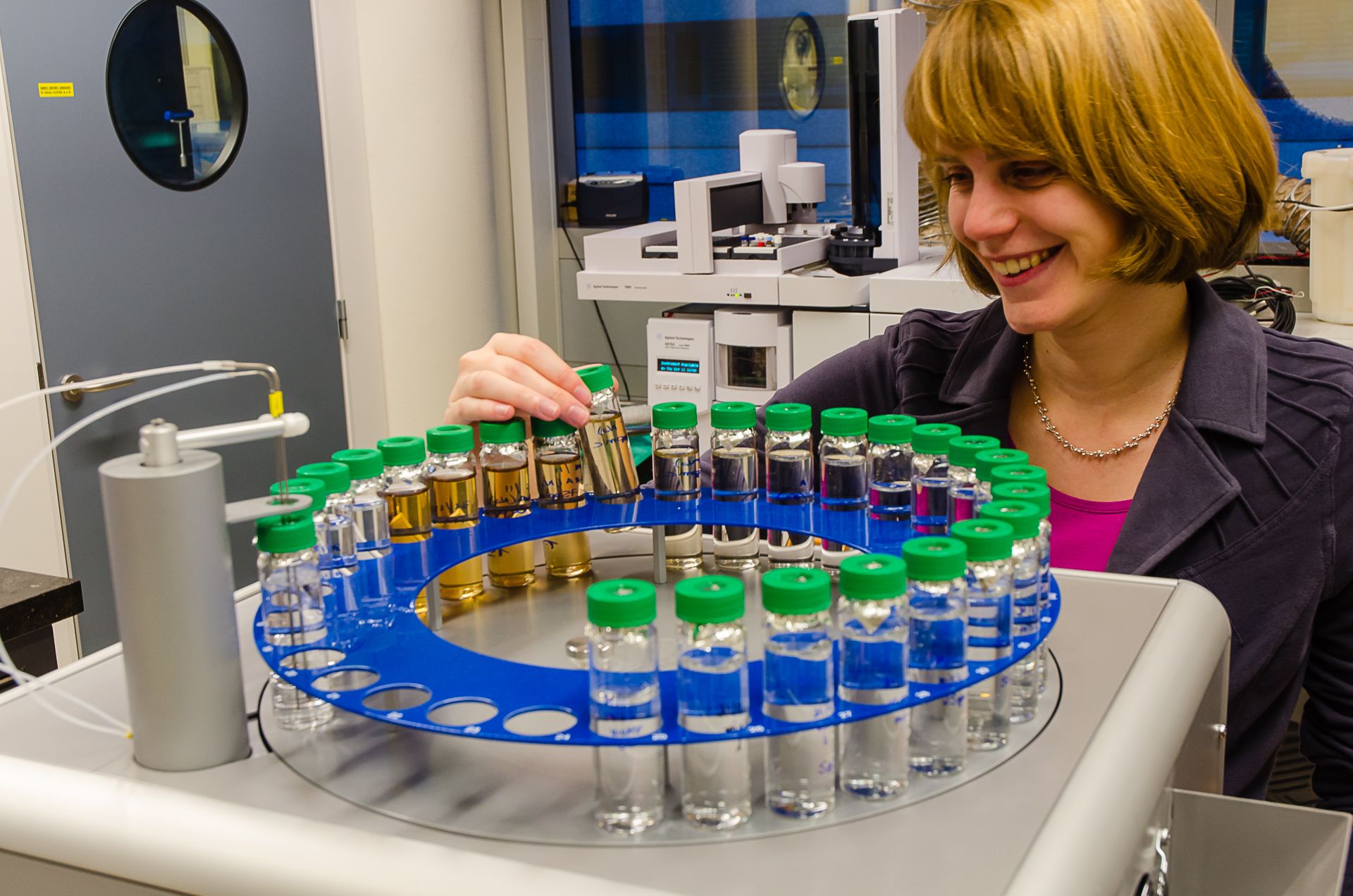
The laboratory is equipped with several liquid chromatography (LC) and gas chromatography (GC) systems. Each system is coupled with a unique detection system, including low- or high-resolution mass spectrometry (MS), which makes it possible to analyse a broad range of organic chemicals in samples of various origins. In addition to identification and quantitation of chemicals, development of new methodology is an integral part of the services provided by our laboratory
HPLC-UV/fluorescence detector
The high-performance liquid chromatograph system is equipped with both a general-purpose UV detector and highly sensitive and selective fluorescence detector (HPLC-UV/Flu). The system is typically used for the analysis of a wide variety of water-soluble compounds within natural samples (e.g. water, soil and plants) or used in degradation or sorption studies. Typical applications include PAH analysis for bioremediation and sorption experiments, plant pigments and toxins, (degradation products of) herbicides, fullerenes, and phenolic acids within soil.
UPLC-timsTOF
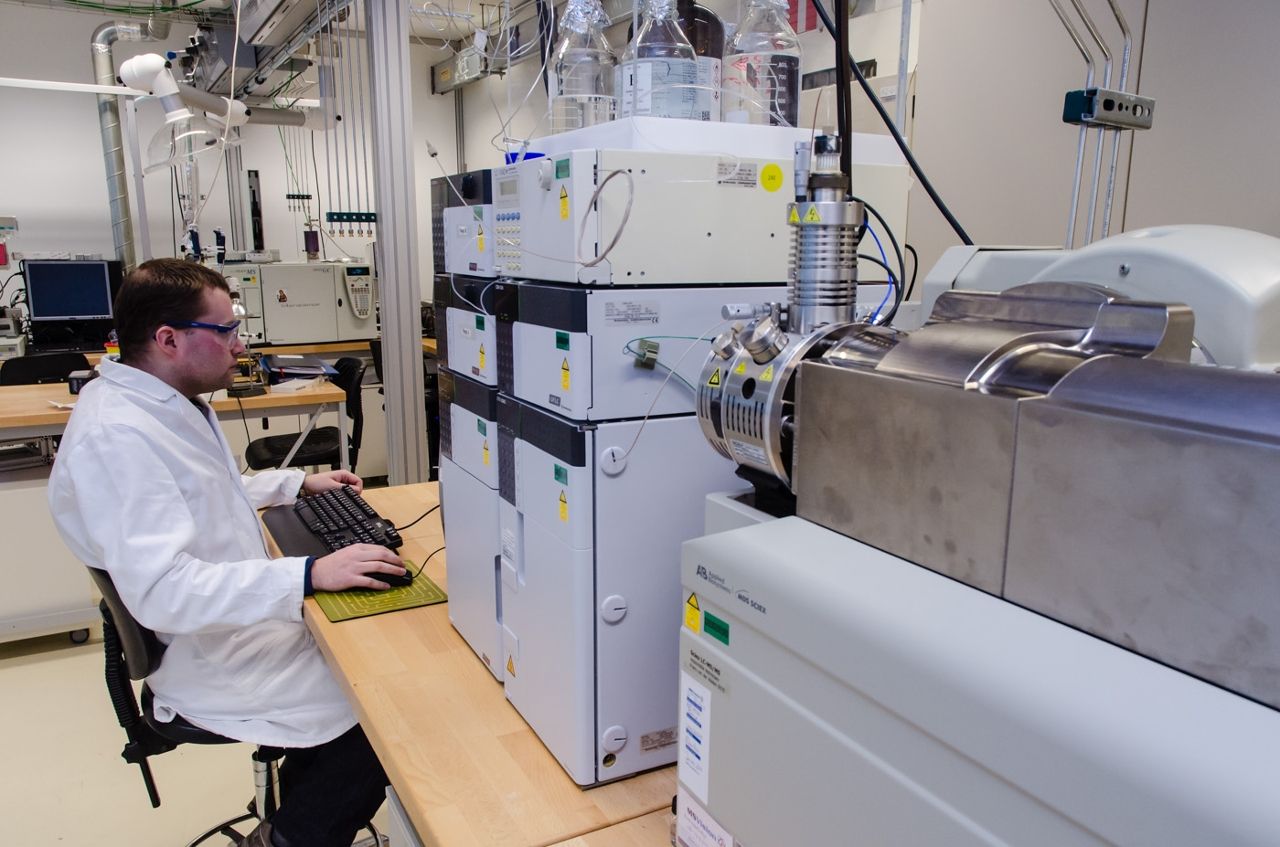
The Bruker timsTOF Pro 2.0 system is used for non-target screening and monitoring of a wide variety of chemicals in the environment. The system is equipped with a dual trapped high resolution ion mobility mass spectrometer (TIMS-MS) with Parallel Accumulation Serial Fragmentation (PASEF) and accurate and reproducible CCS determination, and a VIP HESI source. It can accomplish highly sensitive and fast acquisition of fragmentation MS data (MS/MS). With the system PASEF DDA scan speeds up to 100 Hz can be reached and can perform DIA analysis with mass and ion mobility window stepping.
Typical analyses within IBED include:
- Emerging contaminants in the environment, e.g. pesticides, pfas, flame retardants and pharmaceuticals and their degradation products.
- Plant, soil and aquatic organism constituents
- Root exudate metabolome to study chemical communications between plants and soil organisms
- Biodegradation studies
- Non-target screening, DOA, emerging contaminants
Liquid chromatography UHPLC-QTOF
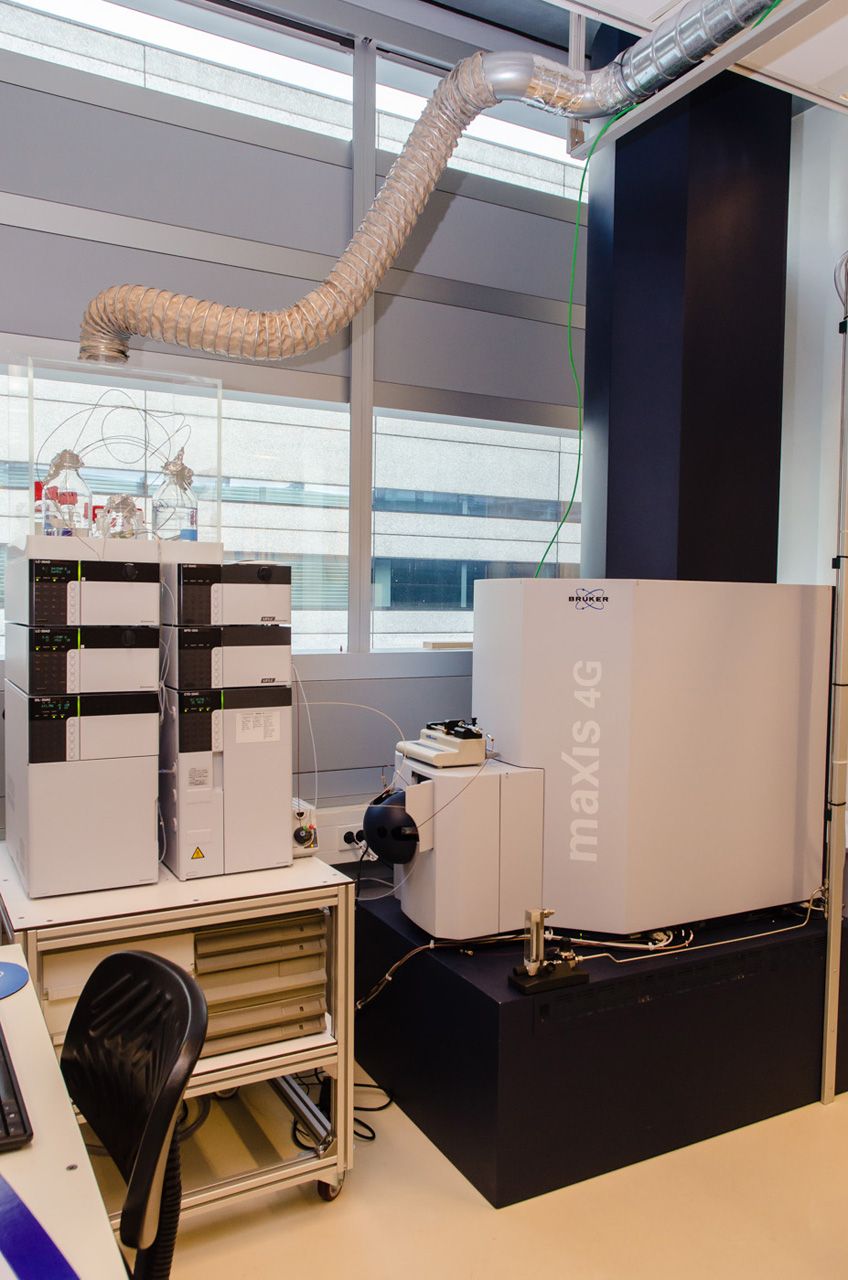
For non-target and suspect target screening our ultra-performance liquid chromatography quadrupole time of flight (UHPLC-QTOF) system is very well suited. The combination of high chromatographic resolution, mass resolving power and mass accuracy, MS/MS and isotopic pattern fingerprinting, allows this instrument to identify and characterize chemicals even within complex sample material. The system can be equipped with several ion sources (ESI, APCI, APPI and IonBooster). Furthermore, Direction Injection Probe (DIP) can be used for direct analysis of both solid and liquid samples.
Recent work includes monitoring the removal of polar micropollutants, characterization of natural organic matter, elucidating transformation products for fullerenes, biocides, herbicides and other emerging pollutants and monitoring new generation PFAS in drinking water
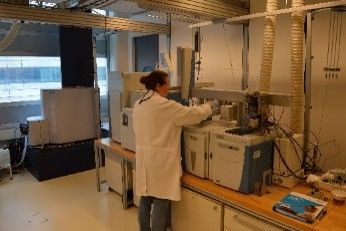
GC-FID/Mass Spectrometry
This is a gas chromatography mass spectrometry (GC-MS) system with both cold-on-column and split/splitless injectors and the possibility to perform headspace and large volume analysis. It is equipped with a PAL autosampler.
The system is typically used for the analysis of phospholipid fatty acids, lignin, volatile organic compounds such as BTEX, pesticides, brominated flame retardants, PCB’s etc.
For compound specific isotope ratio analysis of carbon, nitrogen, hydrogen or oxygen, the GC can be coupled to the Isotope Ratio Mass Spectrometer (IRMS) using a GC5 interface.
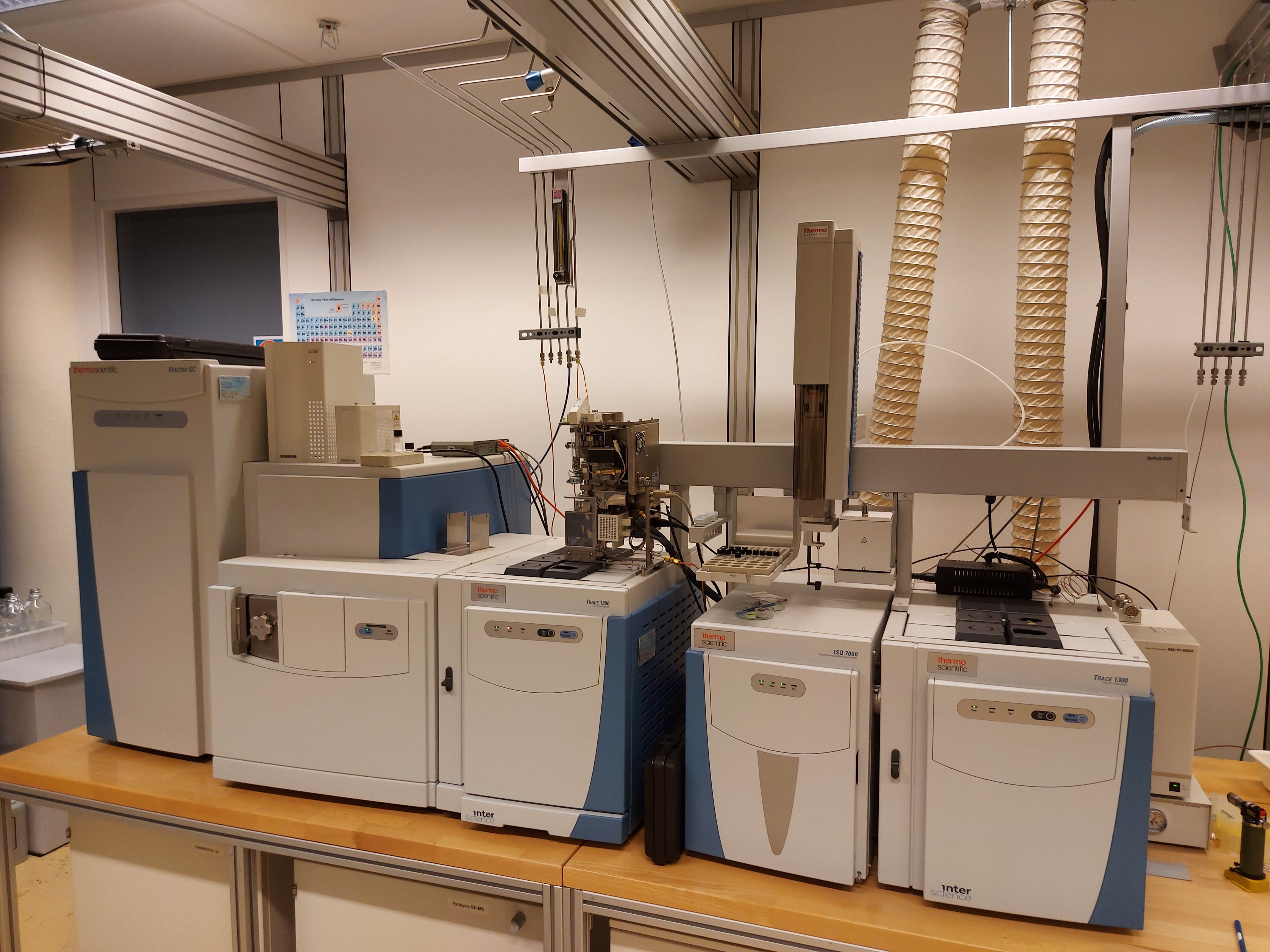
Dual pyrolysis-2GC-2(HR)MS gas chromatography mass spectrometry
Our dual QOrbitrap Exactive gas chromatography mass spectrometry (GC-MS) system is a multifunctional system with 2 GC-MS systems, a GC-HRMS and a quadrupole GC-MS system, with a combined Triplus injection system. Injection techniques include cold-on-column, split/splitless and headspace injection, and both systems can be equipped with a multishot pyrolysis unit.
A wide range of compounds can be measured on the systems. Prior research includes pesticide, lipids and bromated flame retardants in various matrices. Pyrolysis is used to characterize soil organic matter and plant material, and for nano and microplastic identification.
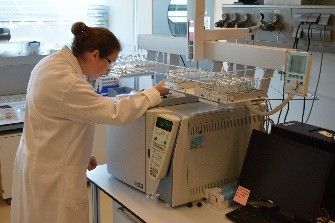
Trace gas chromatography GC Ultra with TCD, ECD and FID detection
Used for the analyses of permanent gasses: carbon dioxide, nitrous oxide and methane in gaseous samples originating from field-sites or lab incubation experiments and for the measurement of acetylene and ethylene in incubated samples.
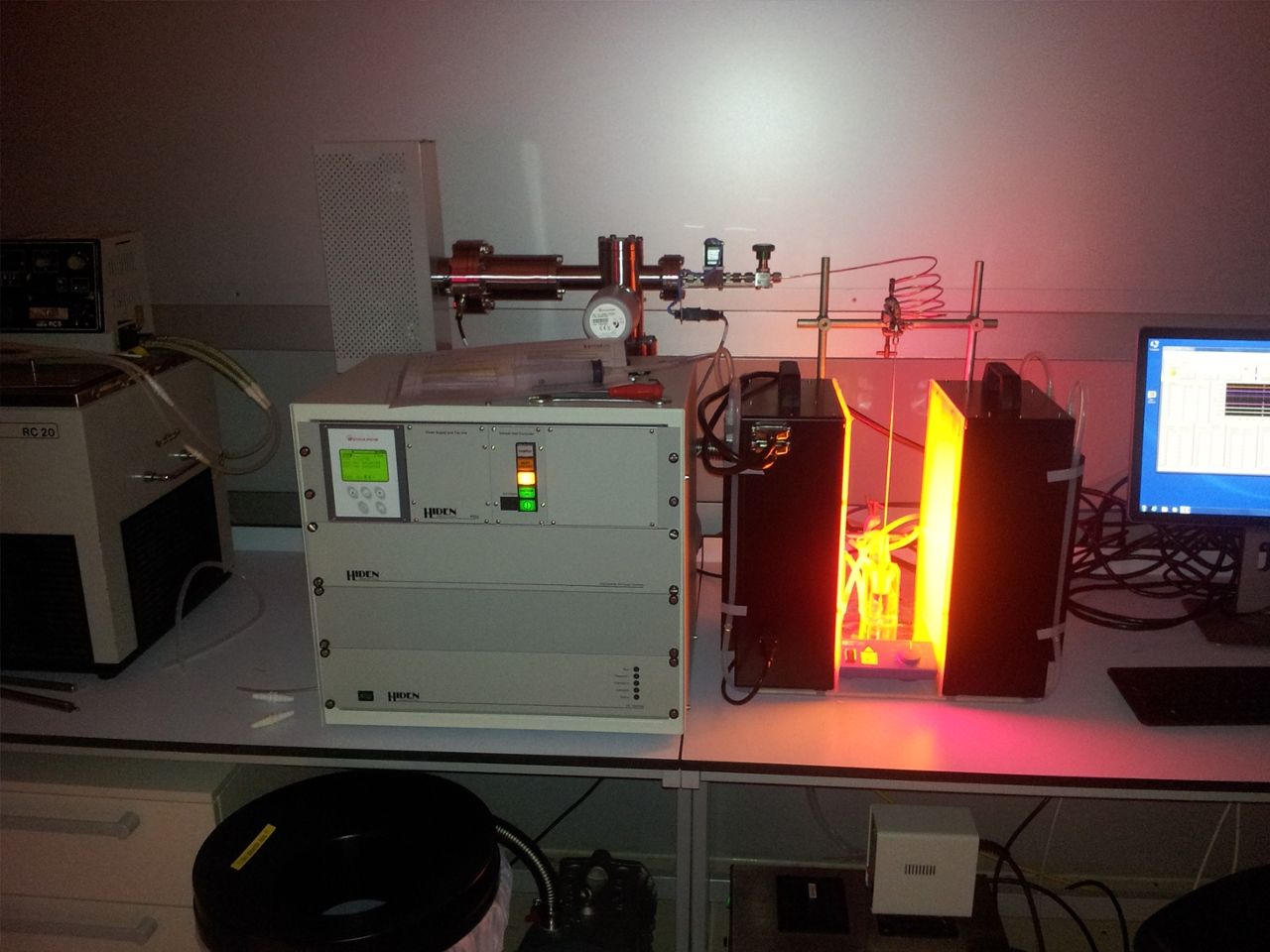
Membrane Inlet Mass Spectrometry (MIMS)
In our laboratory we have a Hiden HPR-40 Membrane Inlet Mass spectrometer installed with a mass range of 200 amu (atomic mass unit) with a dissolved species probe. This allows for accurate measurements of a wide range of gasses either in gaseous or dissolved in liquid environments. Using stable isotopes specific changes in conditions applied can be quantified. The probe is positioned in a specialised cuvette.
Typical applications of the MIMS in our lab are:
- 13C-labeled bicarbonate or carbon dioxide uptake experiments to quantify rates of carbon fixation in cyanobacteria and algae.
- 18O2 uptake experiments to quantify oxidation or respiration rates during photosynthesis in cyanbacteria and algae.
Contact information
Please contact us for more information: IBED-lab-science@uva.nl