IBED front and center at the UvA Deep Tech Day
IBED researchers played a prominent role at the Deep Tech Day conference hosted by the University of Amsterdam Faculty of Science in January. Deep Tech Day focused on strengthening the university’s technology profile by spotlighting innovations expected to reach application or market readiness within the next decade. IBED’s strong presence reflected the institute’s growing portfolio of technologies designed not only to advance ecological science, but also to deliver practical solutions
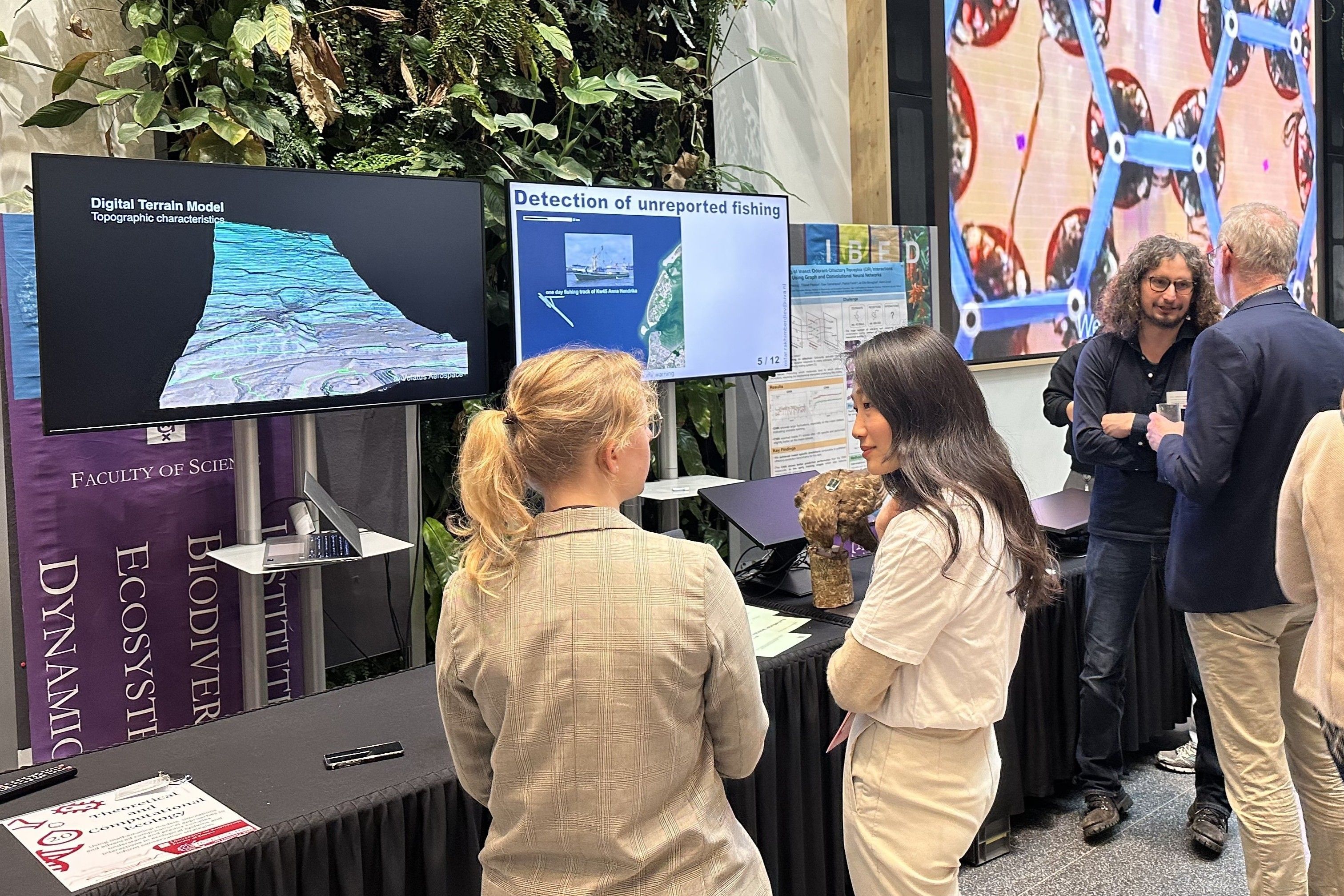
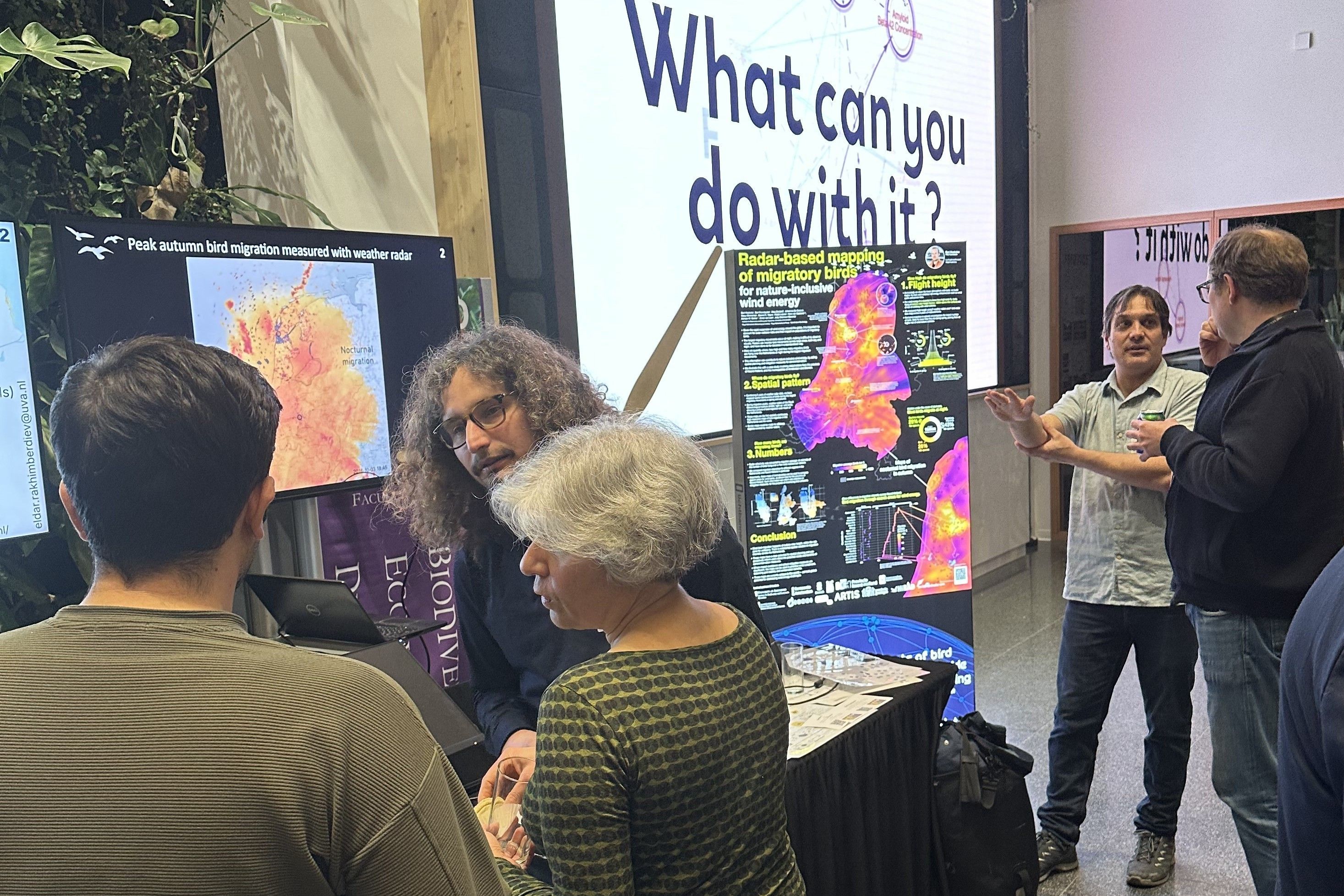
Throughout the day, a large and dynamic group of around 25 IBED scientists and students rotated across the innovation markets, showcasing AI-driven tools for sustainable agrotechnology, aquatic eco-technology, predictive ecological models, radar-based systems to reduce human–wildlife conflict, and nature-inspired geo-engineering solutions
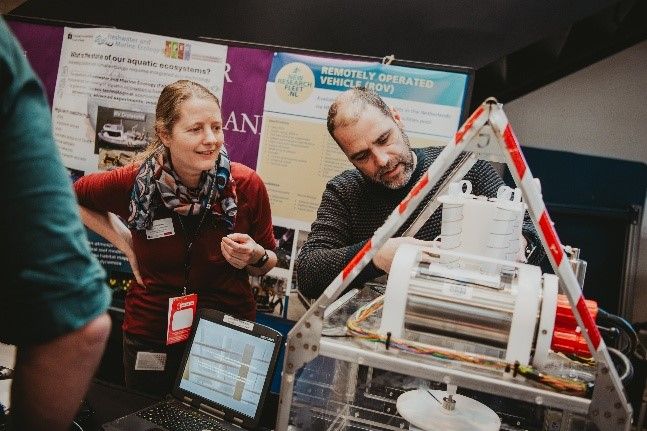
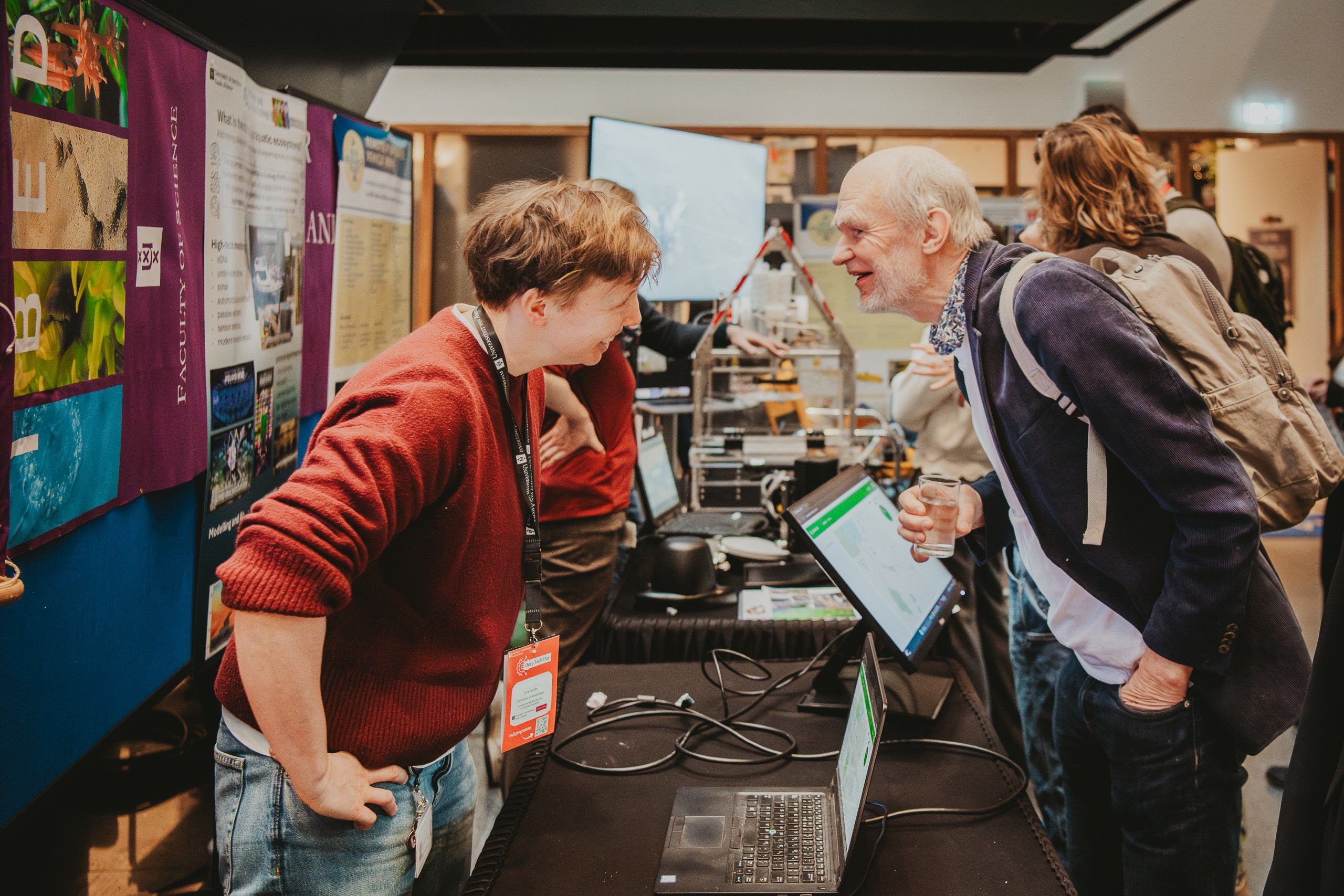
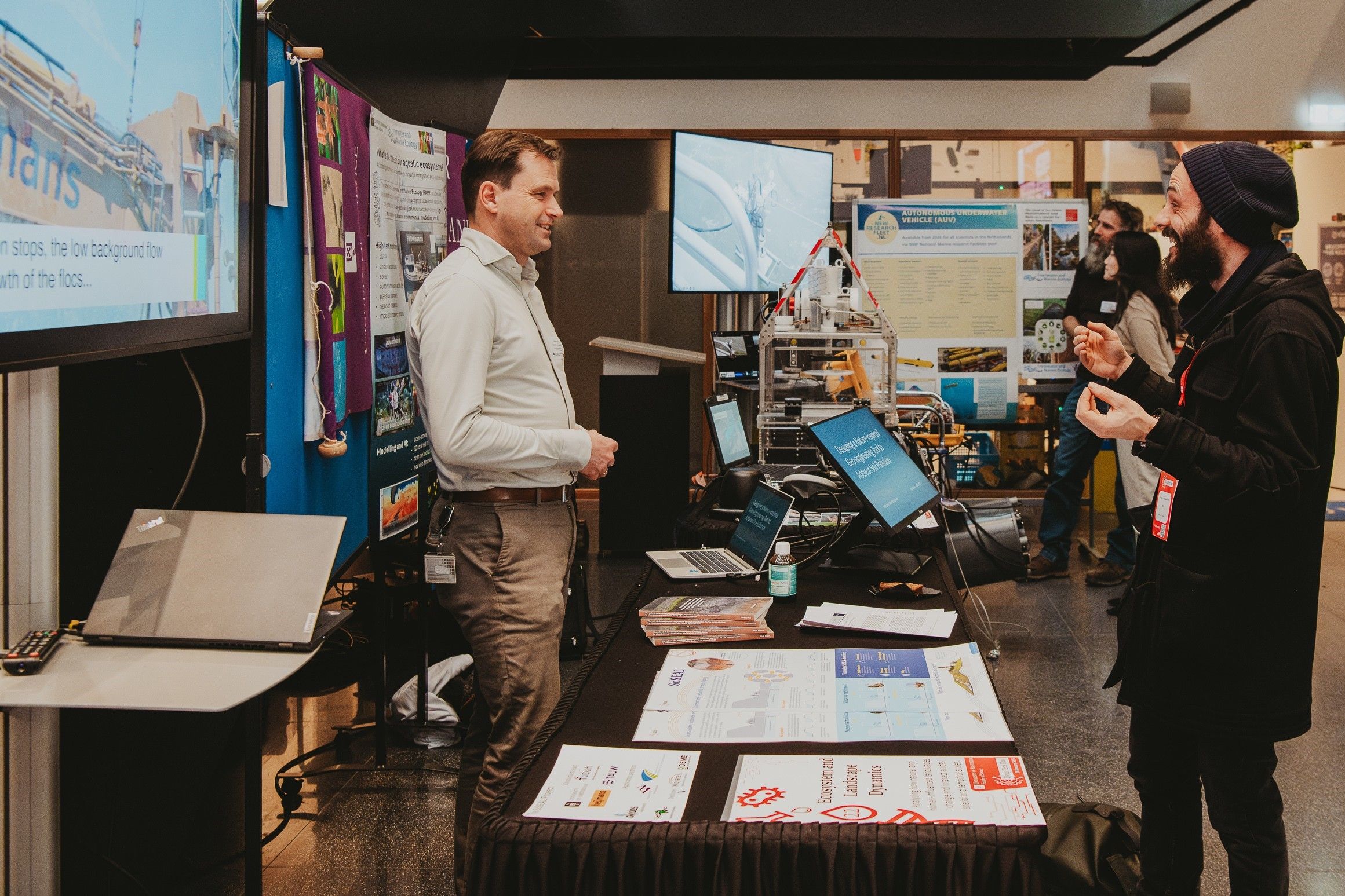
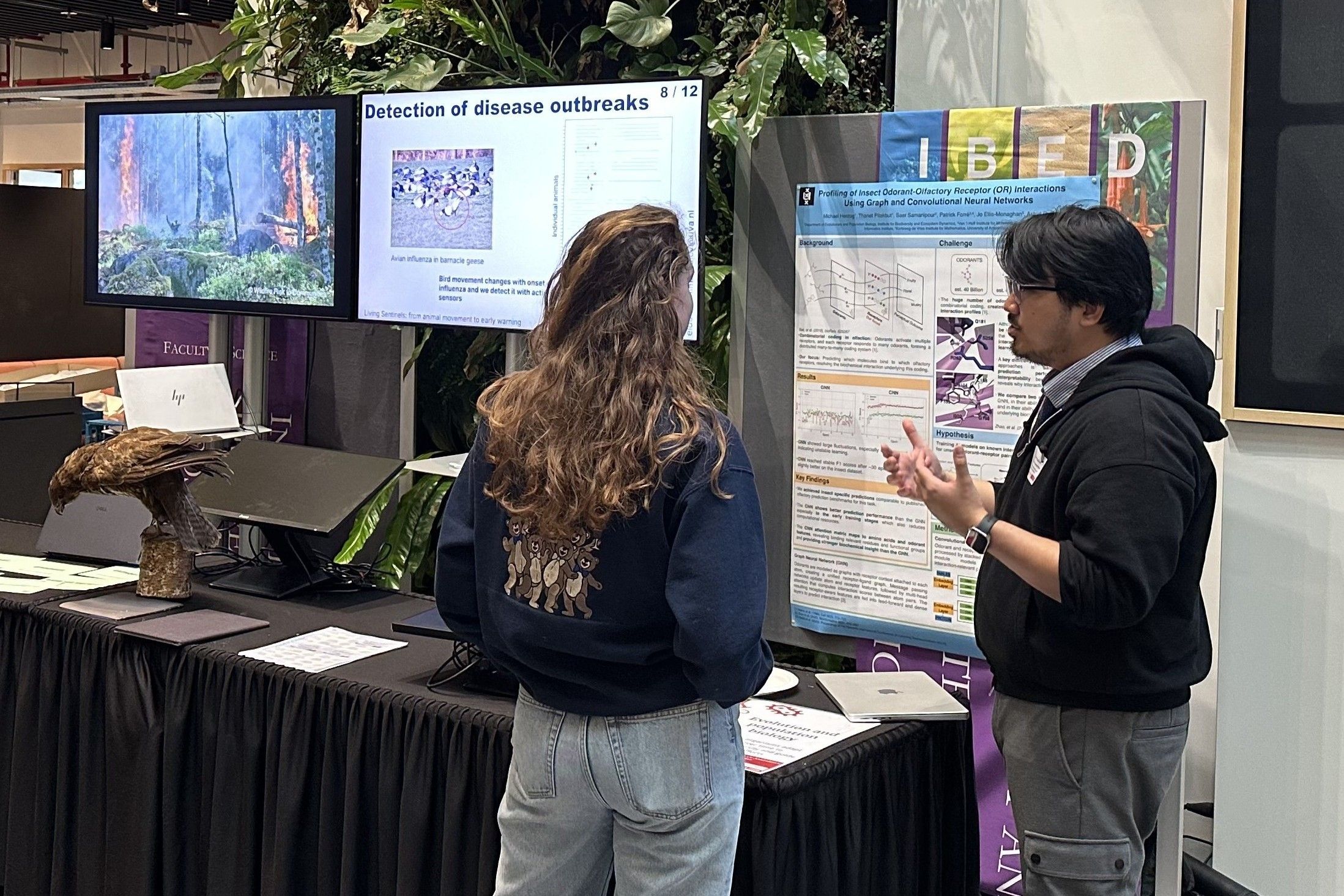
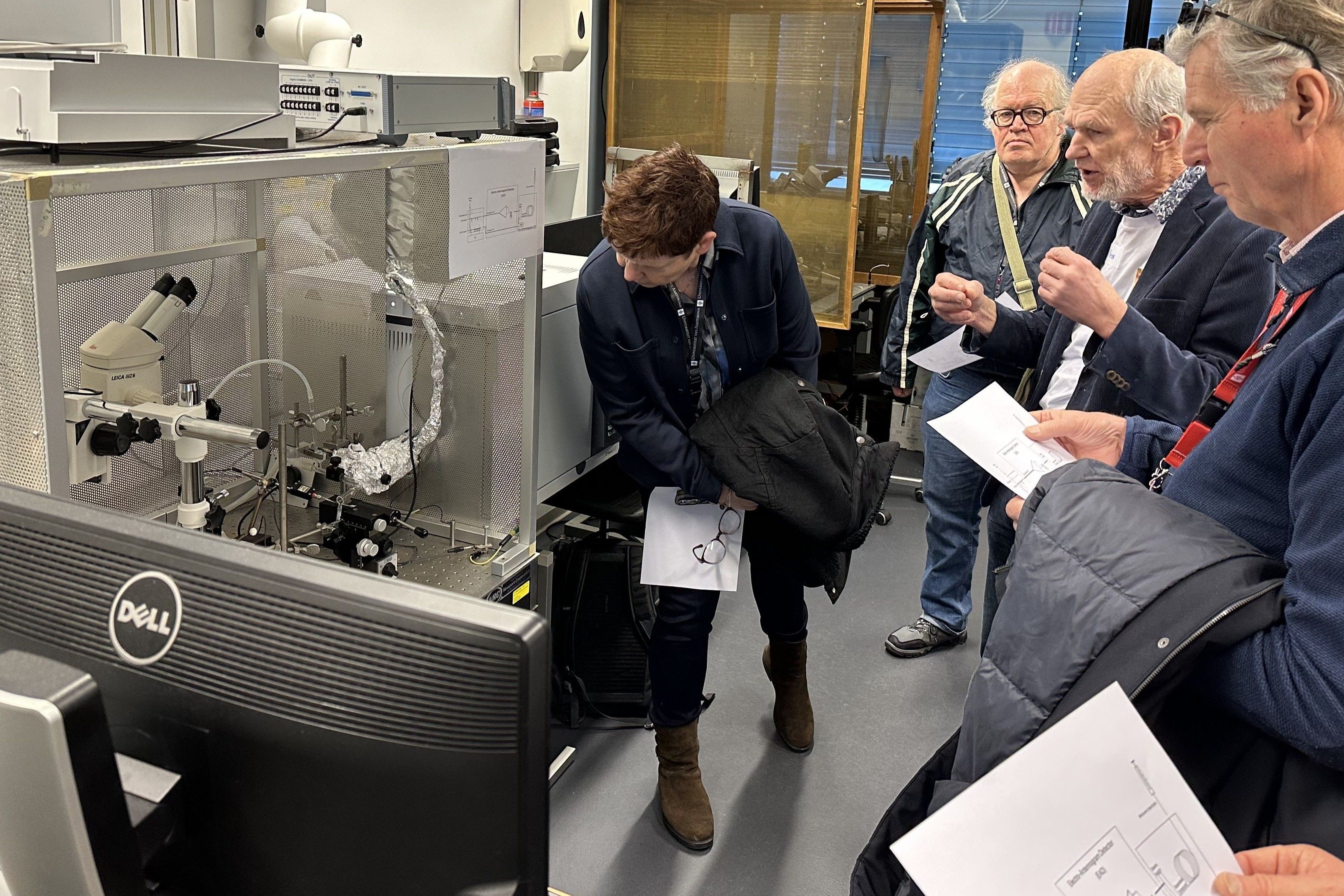
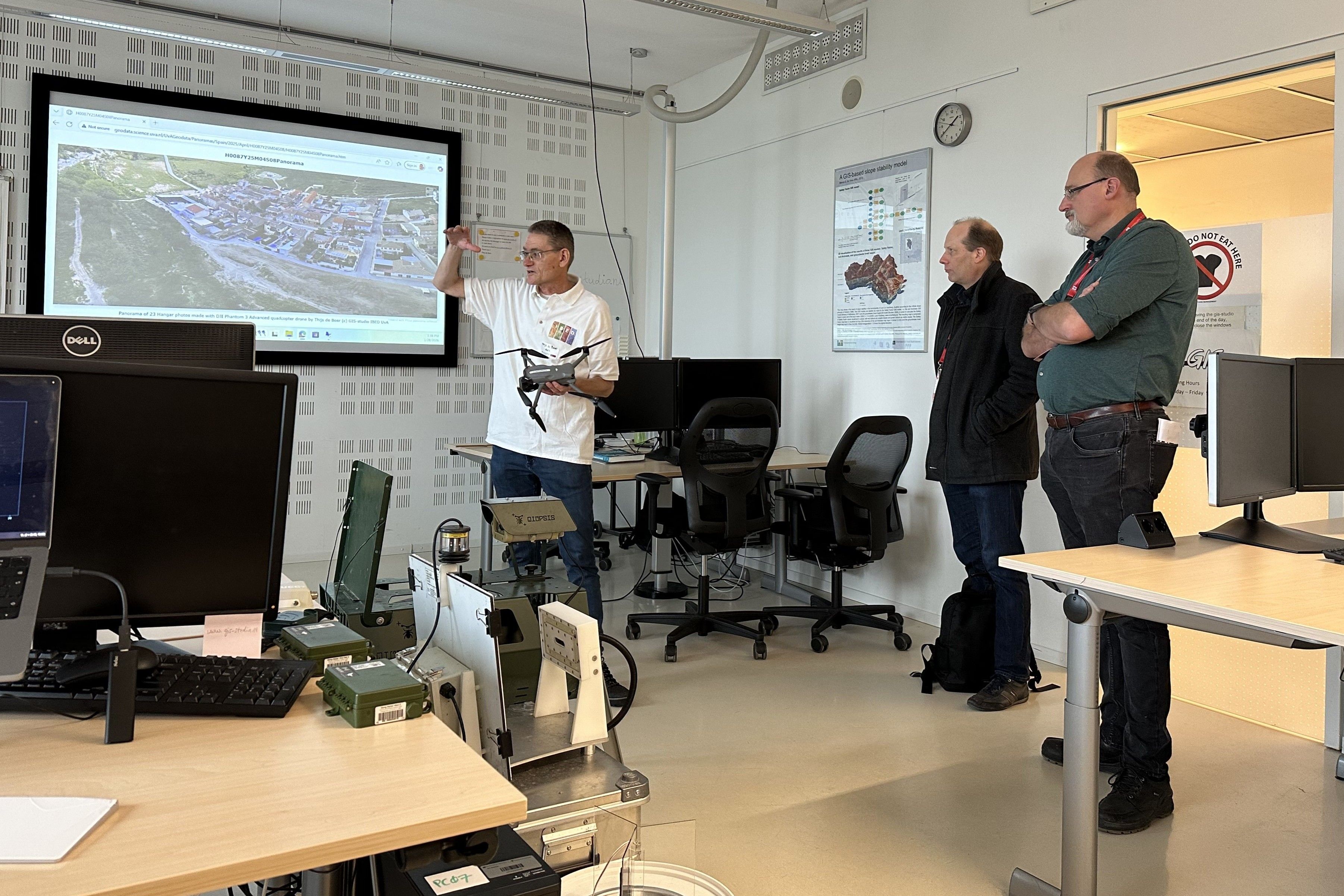
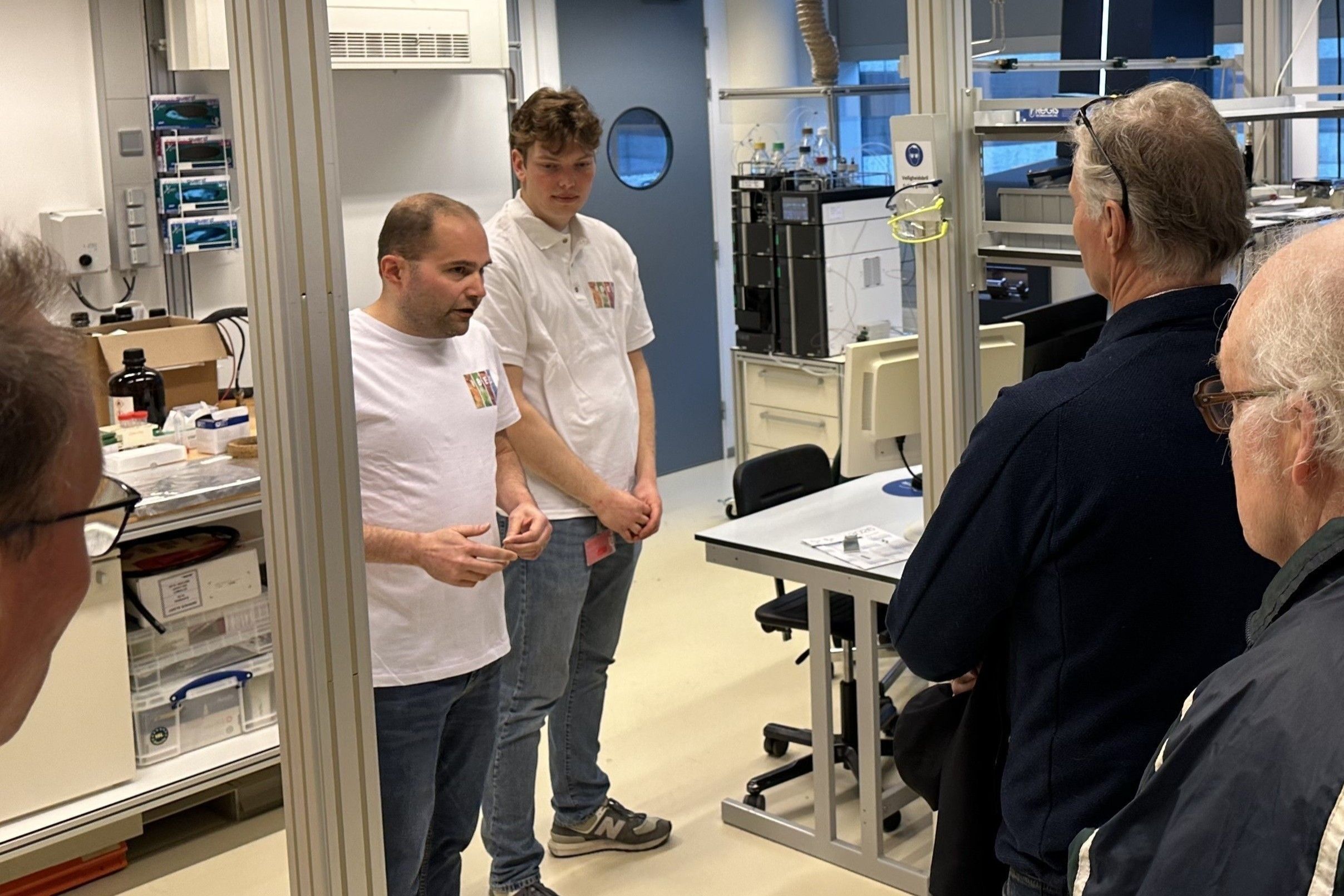
IBED also hosted guided tours of its laboratory facilities. These lab tours offered visitors a behind-the-scenes look at how new technologies are developed, tested, and refined — from sensor development and ecological modelling to applied environmental diagnostics
The high level of engagement throughout the day underscored IBED’s role as a key contributor to UvA’s deep tech ambitions. By translating biodiversity and ecosystem science into deployable technologies, IBED continues to demonstrate how fundamental research can generate tangible societal impact.