PhD defence ceremony by Michael Hynes
- Date
- 20 May 2026
- Time
- 10:00
- Location
- Agnietenkapel
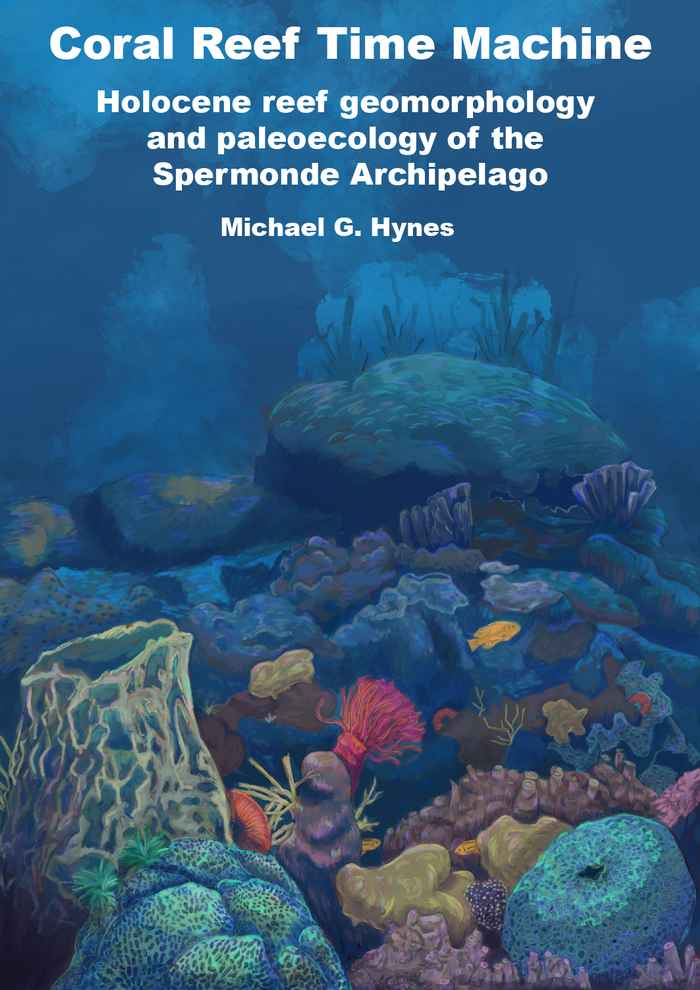
Tropical coral reefs and their associated low-lying islands are important biodiversity ecosystems and provide numerous ecological and socioeconomic benefits. As many reefs have a direct impact on local populations, it is important to understand how reefs and islands may change in response to shifting sea levels and environmental conditions. Holocene reef formation in the Coral Triangle (CT), an understudied region given its high coral reef diversity, was assessed to determine past influences on reef/island accretion and growth, with the purpose of better understanding present and future reef growth scenarios. Previously published Holocene reef core data was used to examine regional and global geomorphological and paleoecological regimes over centennial to millennial scales, and a suite of reef cores were collected from two islands in the Spermonde Archipelago, Indonesia. This is the fourth known set of cores from the CT and were analyzed to reconstruct the Holocene geomorphology and paleoecology of the local area.
This thesis then shows that low-lying islands in the Spermonde Archipelago were able to cope with sea level rise over the first few thousand years of their existence, and have adapted to turbid conditions and other stressors over time. Further, they were able to continue carbonate production and accretion at levels needed to stay above sea level and maintain area even as the island’s margins and location shifted across the shelf platform. This is encouraging as large human populations live on these islands and associated coastlines, and rely on these reef systems for support. However, it is equally important that other stressors such as climate change and overfishing are addressed to ensure that these important ecosystems persist into the future.