The importance of hedges: how field margins curb vole outbreaks
30 September 2026
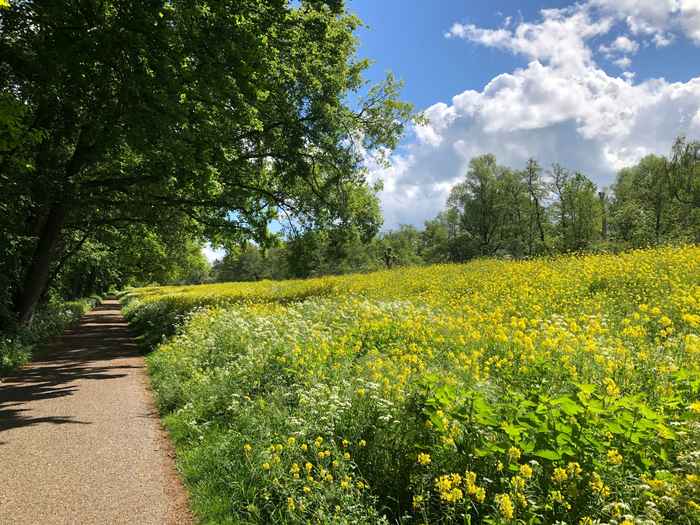
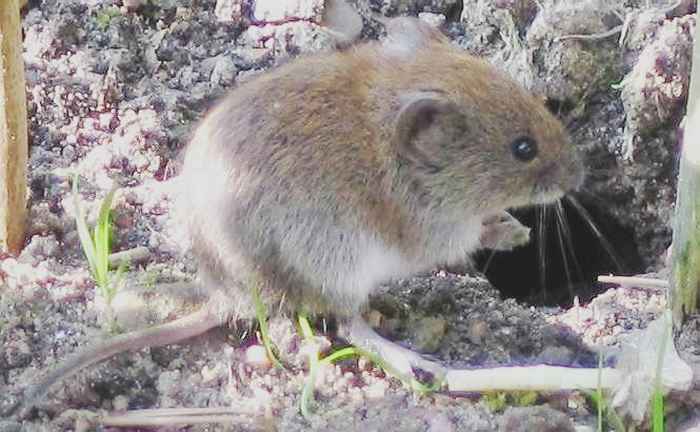
Common voles and related burrowing species can multiply rapidly in extensive, open grasslands and perennial crops. During outbreaks, their numbers can reach up to 2,000 animals per hectare, damaging crops across large areas. These outbreaks can also increase risks of diseases shared between wildlife, livestock and people.
Woody margins make fields harder for voles to colonize
The study identifies a clear pattern: large, connected areas of pasture or perennial crops give voles food, shelter and room to spread. By contrast, woody features such as hedges, shrubs and forest patches break up this favorable habitat. They also provide shelter and hunting posts for predators including foxes, owls and other birds of prey.
“Rodents like voles are vectors for zoonosis and may spread for instance bird flu from chicken stables to migratory birds in fields. Denser ecological structure in agricultural landscape may therefore reduce the spread of disease,” said Dr Kenneth Rijsdijk, one of the authors of the study. This matters because landscape design can complement, and in some cases reduce reliance on conventional pest control. Rodenticides can harm non-target wildlife, including the predators that naturally help keep vole populations in check.
Not every green strip has the same effect
The authors stress that nature-inclusive farming needs careful design. Wildflower strips and grassy field margins can benefit pollinators and biodiversity, but they may also give voles food and cover if they form long, connected corridors through farmland. Combining flower strips with woody margins, or managing them with shallow tillage where appropriate, can help balance these goals.
At the landscape level, the review recommends smaller and less-connected blocks of optimal vole habitat, more woody field margins and woodland patches, and varied land use rather than continuous expanses of pasture. These measures can strengthen predator communities and slow the spread of vole populations.
Evidence from decades of European research
Rather than conducting a new field experiment, the team reviewed evidence from temperate European farmland studies spanning the period before 1960 to the present. The review brings together research on vole biology, farming practices, predators, landscape structure and disease ecology.
The next step is better long-term monitoring. The researchers propose combining detailed maps made with laser-based remote sensing with camera monitoring of predators and vole populations. This could help identify high-risk landscapes before an outbreak escalates.
Go to the scientific article about this study: Fotheringham, J., Artzy-Randrup, Y. A., & Rijsdijk, K. F. (2026). How ecological structural elements curb outbreaks of fossorial arvicoline rodents in European farmlands. Journal of Pest Science, 99, 120.